
The Language of Texture: Discovering the Beauty of Botanical, Textile & Sculptural Earrings
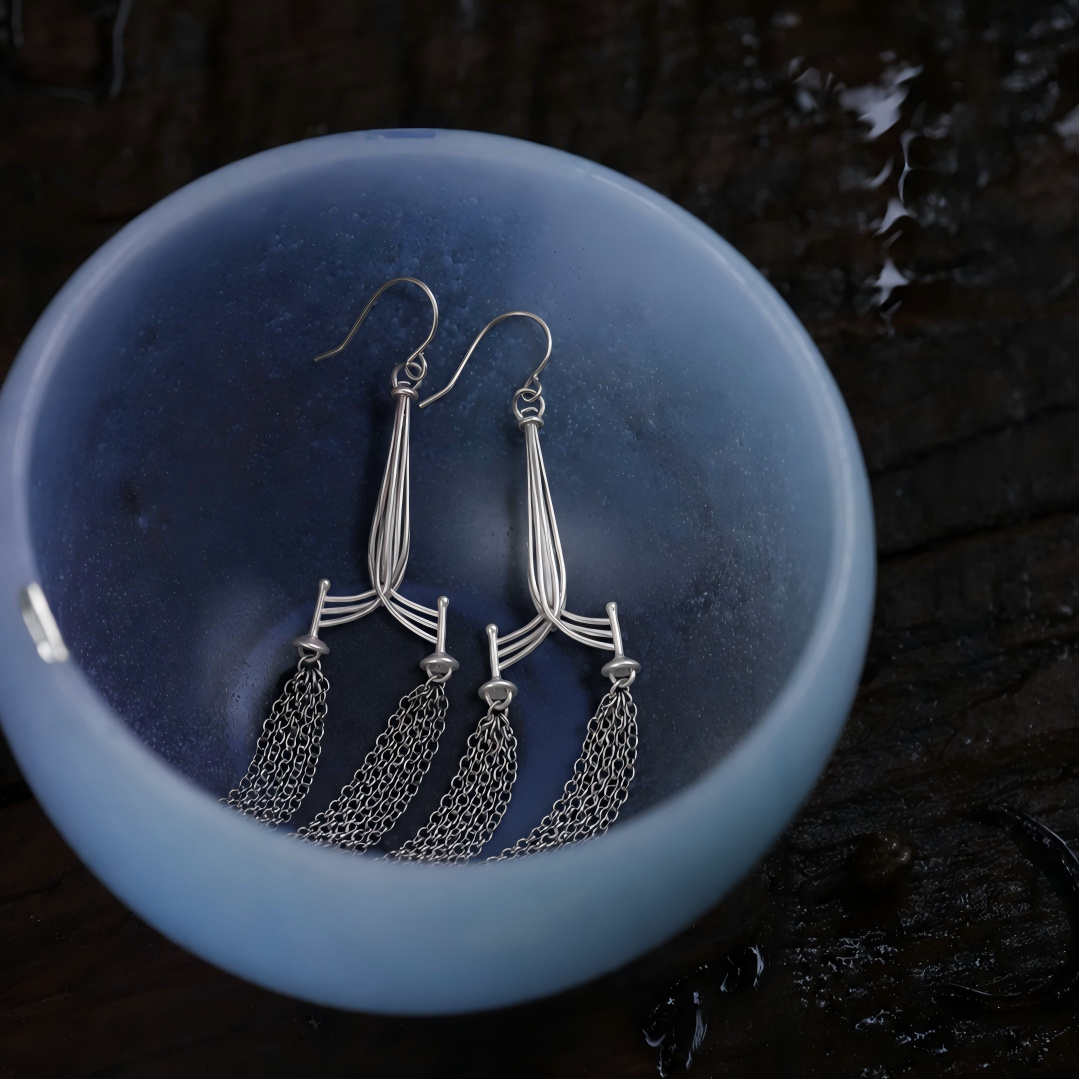
An exploration of the tactile world of statement earrings — from botanical curves and woven textiles to sculptural silhouettes, antique-inspired surfaces and the quiet beauty of handcrafted-looking details. “Texture is what makes jewelry feel alive — the detail that invites the eye to pause, look closer and discover something new.” Two earrings can share the same silhouette and still create completely different impressions when their surfaces, materials and decorative details change. Texture is one of the most powerful tools in jewelry design because it creates the illusion of touch. A smooth surface reflects light evenly, while engraved lines, openwork, woven fabric, layered chains and irregular contours create a much more complex visual rhythm. When an earring contains several levels of texture, the eye naturally moves around the piece. From a distance, the overall silhouette creates recognition. Up close, smaller details reveal themselves and give the jewelry a more intimate personality. The feeling of a piece often begins before color is even considered. Delicate botanical lines can suggest calm and romance. Rougher antique-inspired surfaces can feel historical and mysterious. Woven elements can introduce warmth, craft and a relaxed bohemian quality. This makes texture especially valuable for people who use accessories to express mood. The same outfit can feel romantic, artistic, dramatic or free-spirited simply by changing the earrings. Layered surfaces create dimension and give the eye more details to discover. Tassels, chains and dangling elements change naturally as the wearer moves. Artistic details allow an accessory to communicate a stronger individual point of view. 02 / Botanical Forms Botanical jewelry does not have to reproduce a flower or leaf literally. The most interesting interpretations often borrow only the movement of nature — a curling vine, a branching line, the asymmetry of a petal or the gentle rhythm of clustered forms. This approach creates jewelry that feels organic without becoming overly delicate. A vine-inspired drop can be elongated into an elegant vertical silhouette. A floral form can be simplified into a graphic outline. A cluster of small elements can create a sense of abundance without requiring excessive volume. Botanical shapes also pair naturally with soft fabrics and flowing clothing. Linen, cotton, silk-inspired textures and relaxed knits provide a visual environment in which curved jewelry can feel effortless. For a more contemporary interpretation, contrast organic earrings with structured clothing. A tailored blazer or crisp shirt can make a botanical silhouette appear more architectural and modern. Different surface languages create different moods. Understanding them makes it easier to choose earrings that feel naturally connected to your wardrobe. Soft materials can create an unexpected contrast against structured metalwork and transform an accessory into something warmer and more tactile. Textile earrings often create a different relationship with color than polished surfaces. Woven or fabric-based elements can make contrasting tones feel more natural and relaxed, especially when several shades are combined within one piece. This is one reason colorful textile earrings work so well with vacation wardrobes. They complement linen, natural cotton, lightweight dresses and relaxed silhouettes without demanding a highly coordinated outfit. Tassels and textile elements respond to movement differently from rigid metal. They sway gently as the wearer walks, turns or moves their head, creating an animated quality that is particularly beautiful in photographs. For editorial styling, this movement can make a simple outfit feel more cinematic. For everyday wear, it adds a relaxed sense of personality without requiring a complicated styling formula. 04 / Sculptural Expression Sculptural earrings challenge the idea that jewelry needs to be delicate or perfectly symmetrical. An elongated human-form motif, an abstract blade-like line, an unusual geometric contour or an oversized organic shape can transform a small accessory into a wearable statement. These designs are especially effective when the rest of the outfit is intentionally restrained. A plain black top can provide the perfect background for a complex sculptural silhouette. A simple white shirt can make unusual proportions immediately visible. The strongest sculptural pieces also use negative space intelligently. Empty areas within the design can prevent an elaborate earring from feeling visually heavy while still maintaining a strong presence. Clean necklines allow intricate earrings to remain the visual focus. A plain crew neck, open collar or simple scoop neckline can create a quiet frame around the face. Linen, cotton and softly textured fabrics complement woven and botanical jewelry particularly well, creating a relaxed artisanal atmosphere. Pair organic or romantic earrings with structured tailoring for a sophisticated contrast between softness and architecture. A single-color outfit provides an excellent backdrop for unusual shapes, layered chains and sculptural silhouettes. Swept-back or loosely tied hair can reveal the full outline of statement earrings, especially elongated drops and intricate openwork designs. When the earrings contain substantial texture, keeping necklaces and bracelets understated helps preserve visual balance. Textured and decorative earrings deserve thoughtful storage. Intricate surfaces, fabric elements and layered components can remain beautiful for longer when they are protected from unnecessary friction, moisture and cosmetic residue. A few simple habits can help maintain the visual character of statement jewelry: The most memorable earrings are rarely memorable because they simply follow a trend. They stay with us because of the feeling they create — a distinctive curve, an unexpected texture, a handmade-looking detail or a silhouette that seems almost sculpted rather than manufactured. Explore jewelry as an extension of visual expression, and let texture become part of your personal style.The Language
of Texture
Why Texture Changes Everything
The visual sense of touch
Texture creates emotional atmosphere
When nature becomes an outline.

A Map of Jewelry Texture
The Beauty of Textile Jewelry
Color becomes softer through fabric
Movement is part of the design
Jewelry inspired by the language of sculpture.

Let the texture lead.
Preserving the details that make a piece special.
Find beauty in the details that ask you to look twice.